Start small. Learn the place.
Useful homesteading begins with one manageable project, clear observations, and skills that fit the home you have now.
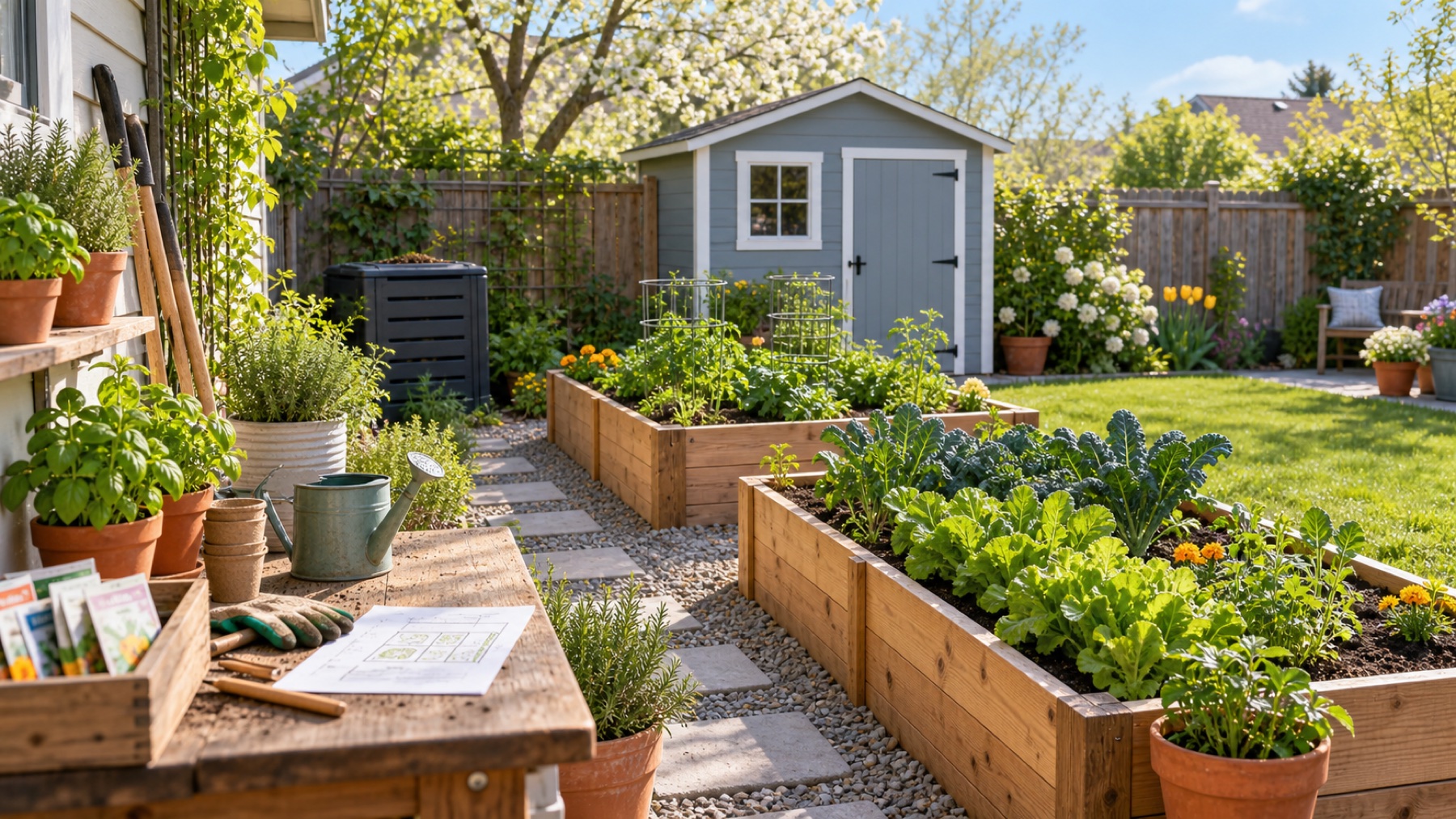
Nine projects that teach you something
Store garden seeds through winter
Label every packet, keep dry seed sealed and cool, prevent refrigerator condensation, and schedule a germination test before spring.
Build the seed cabinet →Start an indoor worm bin that stays balanced
Size it from a real scrap audit, use red wigglers, feed one buried pocket, and fix moisture or flies before they grow.
Build the small-space system →Grow garlic in a container this fall
Measure one planter, choose local planting stock, keep drainage open, protect it through winter, and harvest next summer.
Plant the project →Start homesteading where you live
Audit sun, water, time, rules and food habits before choosing the first project.
Make the audit →Build a first compost bin that works
Choose a location, balance materials, manage moisture and diagnose common problems.
Start the pile →Plan one small kitchen garden
Match crops to sunlight, water, space, season and what the household will eat.
Sketch the bed →Cover bare garden soil this fall
Choose leaves, compost, or a cover crop without creating extra spring work.
Protect the bed →Bring container herbs indoors
Use a two-week transition to inspect for pests, acclimate to lower light, quarantine, and reset winter care.
Plan the move →Reuse potting soil after fall cleanup
Sort used container mix by plant health, protect vulnerable pots, and choose what to store, refresh, compost, or discard.
Make the four-bin sort →Observe before buying.
- Map six hours of sunlight and existing shade.
- Find the closest safe water source and measure the walk.
- Check leases, local rules, utilities and underground-line requirements.
- Choose one project you can maintain during your busiest week.